Cyta monthly theme: November 2026
Words by Judith Lynch
I am grateful to Anne Goldstraw for researching and delivering her delightful workshop on yoga bird
postures for Cyta a few years ago. Having previously enjoyed this session I recently bought a book of
a full yoga sequence entitled, “Yoga Animals: 32 Poses from the Wild”, by yoga teacher Emily
Sharratt. It is an informative and beautiful book, well illustrated by Jade Mosinski. I have always
been interested in the ancient practice of naming many asanas in Sanscrit after animals and other
natural things that people saw around them in their environment. I will share some of the
interesting facts and ideas from the book which I put together to better enhance my understanding
of the names of a few of the animal poses and which I have since enjoyed in my personal practice
and with my yoga class.
The book starts with breathwork and the bee breath (bhramari) which happens to be an excellent
autumnal practice to help counteract unsettling Vata energy, by soothing any agitation in the
nervous system with gentle sound, while also bringing awareness to the breath and body.
Other animal poses I have picked are as follows:
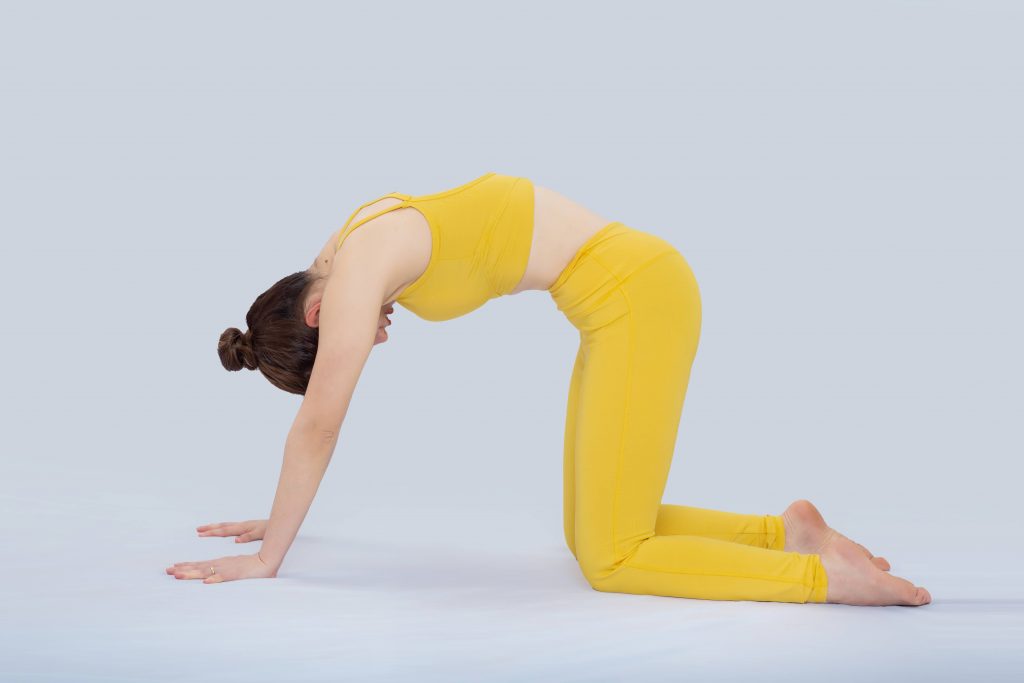
Cat or cat-cow (marjaryasana-bitilasana.) I am always interested in the naming of this posture as so
many people simply refer to it as cat pose. Emily Sharratt’s explanation of “cow” is that it involves
dropping the tummy (as if it were the shape of a cow’s udder!) There is a fetching drawing of a cow
with a cat alongside its back arched to set off the description. The book also includes drawings,
instructions and benefits for each asana.
I was intriqued by Horse pose (utkata konasana) This strong standing pose you may know as goddess
pose. A stance similar to the position when seated in the saddle it can symbolise freedom as horses
travel. It certainly generates heat and strength in the lower body and creates a strong sense of
grounding. A posture which can be practised at different levels of intensity, with or without raised
arms.
Eagle balance will be a familiar asana I’m sure and can also be challenging. Have you tried the
moving version? – stepping from side to side a few times, once you have got into position, and just
holding for a few seconds. (If too strong perhaps use simple tree pose instead – perfect for this time
of year)
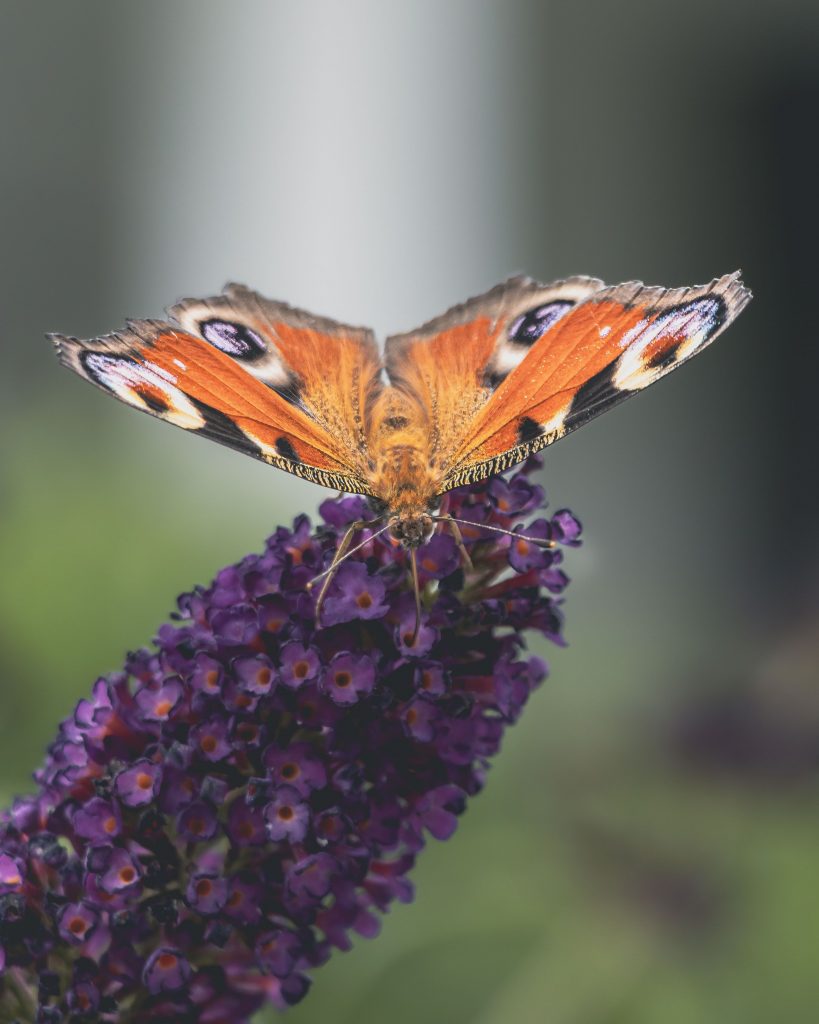
Butterfly pose and swan/pigeon posture: poses focusing on flexing and opening up the hips. It is
suggested in the book that our hips store a lot of emotional energy – may be why they can feel stiff.
This author suggests that we practise patience and self-compassion, particularly as we work in this
area, and stay open to seemingly miraculous change. Letting go of any tightness and stress is a
constant theme of course as autumn progresses.
Continuing with the theme of letting go why not practise the fun lion posture, pausing afterwards to
sit relaxed with your eyes closed and taking a few calm breaths, observing anything that has
changed.
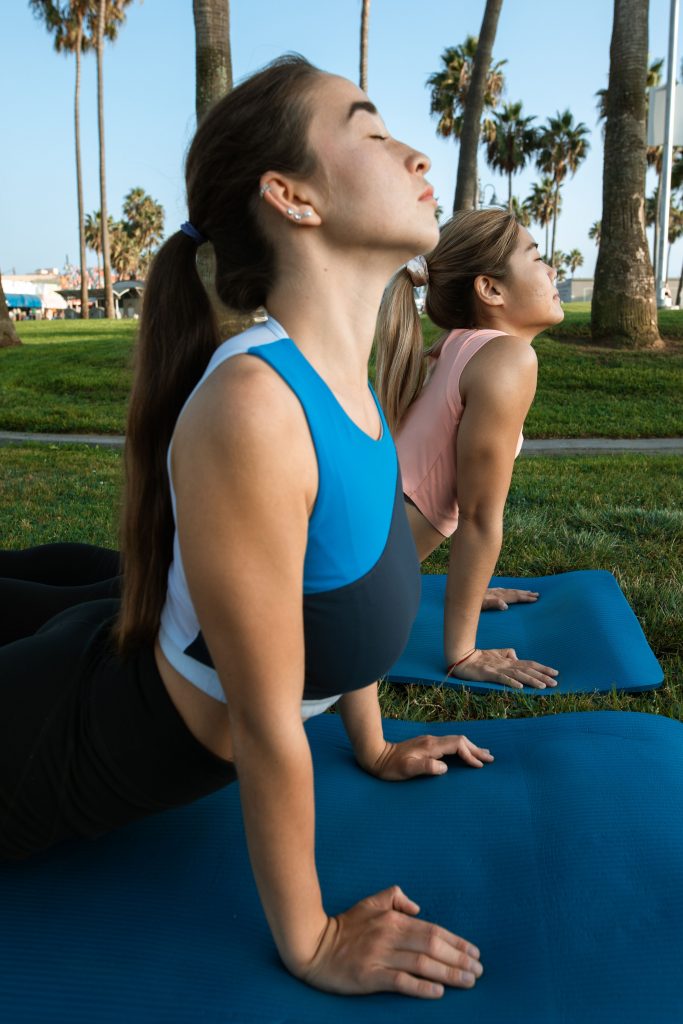
Cobra (bhujangasana) Builds strength in the back, stretches front body opening the chest and lungs.
Perfect for autumn when the element of air is in ascendancy and you can thereby create
spaciousness to breathe. Practising this posture also brings a sense of courage and can be combined
with that feeling of release. As you practise try to imagine you are like a snake sloughing off
everything you don’t need.
To complete your physical practice include a forward bend and a side bend, perhaps try lying seal.
Also a twist, maybe half lord of the fishes. The latter has an interesting history too – as my grandson
often says to me “look it up grandma!”
I am grateful to Clare Tunstall for recently teaching us at Cyta some “relatively” simple pranayama
practices which we can add to our personal yoga and teaching on a regular basis, especially at this
time of the year. They help to bring calm and stillness to our minds and our whole selves at what can
be a turbulent period of change. I also value the mindfulness of breathing (Anapanasati) practices of
Thich Nhat Hanh.
As we move on through and to the end of autumn this month, forever gathering inwards, take time
out to rest and relax. Choose calm breathing, relaxation techniques, meditation, reflection or
visualisations.
Also try to get out into the fresh air to enjoy the season’s delights. Admire the glorious colours,
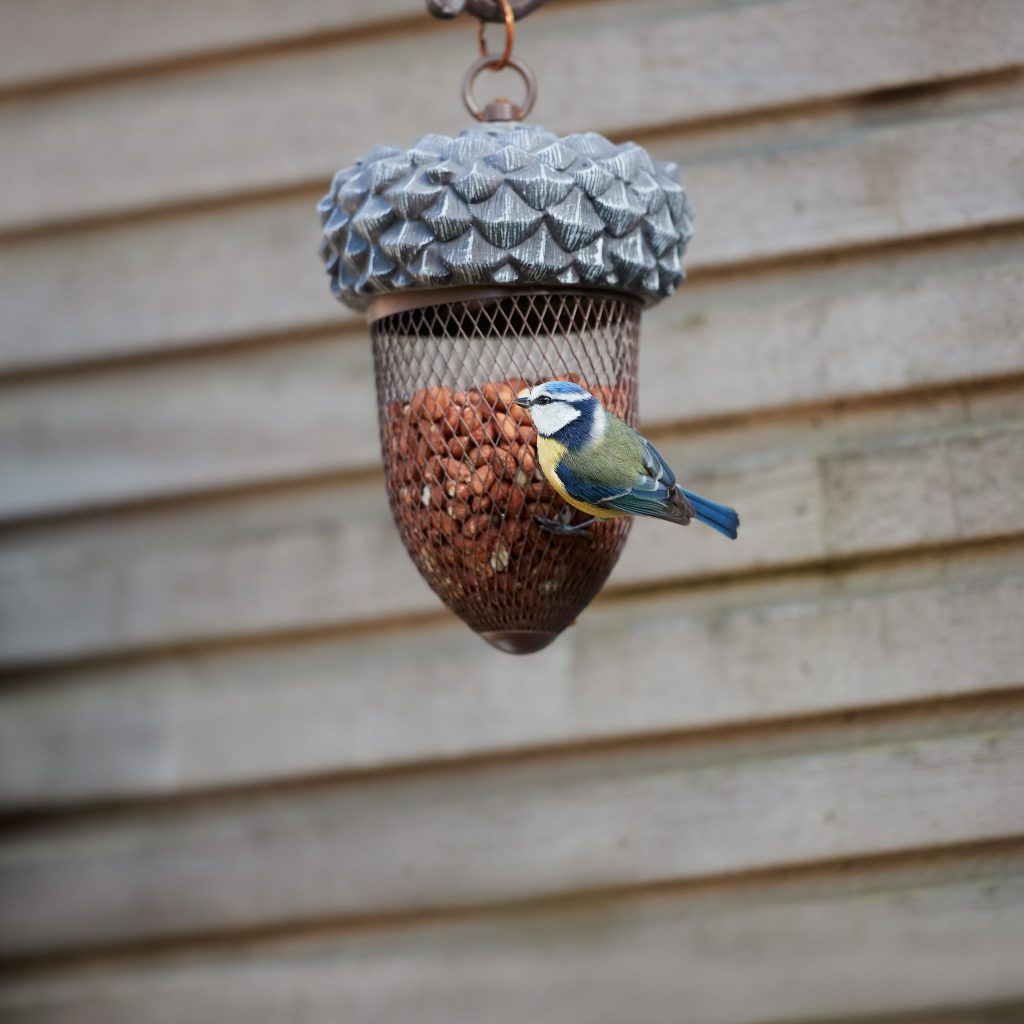
smells, sounds and textures of autumn. Check out the animals around you, especially the wonderful
birds on the trees and feeders. Breathe in deeply. As you walk feel the wind on your face and let the
air remind you how free and light you are. Move freely, embracing change, letting the air element
guide you with lightness and wisdom.
Namaste
Judith Lynch